STEP-BY-STEP: HOW TO SET SET A WEDDING BUDGET BREAKDOWN
This is a Step-by-Step on how to build a wedding budget breakdown you can afford no matter the size of your purse.
Not too long ago, weddings were largely financed by parents. The bride and groom had little to do with budgeting, and money matters rarely crossed their minds. In many families, parents shouldered every expense because they wanted the best for their children, regardless of the cost. Budgeting wasn’t a concern, it was all about creating a day to remember, no matter the price tag.
But the narrative has changed. Today, it’s more common for couples themselves to take full responsibility for financing their wedding. While this shift allows the bride and groom to make financial decisions that reflect their priorities, it also brings new challenges. Without careful planning, the cost of a wedding can easily spiral and affect their post-wedding life, sometimes even leaving them in debt just as they begin their new chapter together.
This is why budgeting a wedding has become so important. By taking control of your spending, you not only avoid financial stress but also create a celebration that feels true to you. A reasonable wedding budget breakdown gives couples the freedom to plan their perfect day without sacrificing their future security. And with the right wedding budget tips, you’ll discover that it’s possible to plan a beautiful, meaningful event that fits your pocket and still captures the joy of the moment.
Decide on Your Total Budget

Every successful wedding begins with one crucial decision: setting a total budget. Before you think about flowers, venues, or music, you need to know exactly how much you can realistically afford to spend. This isn’t about restricting your dreams; it’s about giving them a realistic framework. If you and your partner decide early on how much you’re comfortable investing in the wedding, you avoid the stress of overspending later. For example, if saving for a wedding means you can put aside $10,000 within a year, then that figure becomes your ceiling, not just a vague guideline.
Aligning Contributions With Your Goals
In some families, parents or relatives might contribute toward the wedding, while in others, the couple covers everything themselves. Being upfront about contributions allows you to finalize what a reasonable wedding budget looks like for your unique situation. This clarity ensures you can plan a wedding that feels perfect without financial tension.
Prioritize What Matters Most
Focusing on Your Non-Negotiables
Once you know your total wedding budget, the next step is identifying what matters most to you as a couple. Every wedding has its “non-negotiables”, the elements you wouldn’t want to compromise on. For some, it may be photography and videography to capture timeless memories. For others, it might be the reception venue or the quality of food served. By ranking your priorities, you ensure your money flows into areas that genuinely matter, rather than being spread thinly across details you don’t care as much about.
Making Sacrifices That Don’t Feel Like Sacrifices
Planning a wedding on a budget doesn’t mean you have to give up your vision. Instead, it’s about striking a balance. If a live band is your dream, maybe you scale back on décor. If having a designer dress matters most, perhaps you simplify the menu. These thoughtful wedding budget tips help you protect the heart of your dream day without creating unnecessary financial strain.
Break Down the Budget by Percentage

Creating a Realistic Wedding Budget Breakdown
A wedding budget breakdown gives you a practical structure for dividing your funds. Many couples find it easier to think in percentages instead of fixed amounts. For instance, nearly half of your budget often goes toward venue and catering, while other areas like attire, entertainment, and décor take smaller portions.
Why Percentages Work Better Than Fixed Numbers
This method works whether you’re planning a wedding under 10k or setting a 15k wedding budget. Using percentages keeps things flexible as your guest list or vendor quotes shift. A wedding budget guide built around percentages allows you to adjust while staying aligned with your priorities, ensuring that no single category eats into the rest of your celebration.
Research & Get Real Numbers

The Importance of Vendor Research
One of the most overlooked wedding budgeting steps is detailed research. It’s not enough to assume what things will cost; you need actual numbers. Vendors often have a base price, but wedding expenses can vary widely depending on location, season, and custom requests. For example, wedding reception planning in a city venue may cost significantly more than a countryside option, even with similar guest counts.
Avoiding Surprises Through Smart Planning
Reaching out to multiple vendors helps you compare prices, spot hidden charges, and better understand the real wedding costs involved. Asking the right questions early on, like whether setup fees, delivery, or service charges are included. Saves you from last-minute financial surprises. This step turns a vague wedding budget idea into a solid, reliable plan.
Track Every Expense
Tracking Protects Your Budget. Once you start booking vendors and making purchases, tracking your expenses becomes crucial. Many couples underestimate how quickly small payments add up. A wedding budget checklist is helpful, but relying on it alone won’t keep you in control, you need a system.
Tools That Keep You Accountable
From simple spreadsheets to wedding budgeting apps, tools make it easier to see where every dollar is going. Shared trackers also keep both partners aligned on financial decisions, reducing stress and misunderstandings. This type of budget help transforms your wedding expenses from something overwhelming into something manageable.
Cut Costs Creatively
Smarter Ways to Plan a Wedding on a Budget
Staying within budget doesn’t mean sacrificing style or joy. It means getting creative with your wedding budget ideas. Many couples save significantly by choosing off-peak dates or weekday weddings, which often come at lower rates. Others discover the charm of digital invitations or renting decor items instead of purchasing them outright.
DIY and Simple Alternatives That Work
DIY weddings can also save money while adding a personal touch. From handmade signage to simple wedding favors, these small touches can reduce expenses without reducing beauty. Even opting for a smaller, more intimate wedding reception on a budget can create an atmosphere that feels more meaningful and connected.
Always Have a Buffer
This is the Safety Net in Every Wedding Budget Guide. No matter how carefully you plan, unexpected costs will appear. It might be extra chairs for a few last-minute guests, a vendor overtime fee, or even an unplanned décor upgrade. These surprises are why every budgeting wedding strategy should include a financial buffer.
How a Buffer Brings Peace of Mind
Setting aside 5–10% of your total budget gives you peace of mind. If you’re planning a wedding under 10k, even $500 set aside for unexpected costs can make a huge difference. Couples who prepare this way often enjoy their day more because they know small surprises won’t turn into big problems.
Factor in Hidden Expenses Most Couples Forget

Why Small Wedding Costs Add Up Quickly
Even the most carefully planned wedding budget can be thrown off balance by hidden expenses. Many couples start with a wedding budget breakdown guide that outlines the big-ticket items, venue, catering, attire, but forget to account for the smaller charges that quietly add up. From service fees and gratuities to dress alterations and marriage license costs, these details may seem minor at first, but collectively, they can push your wedding budget beyond what feels comfortable. Understanding and preparing for these overlooked costs will save you from last-minute stress and keep your spending under control.
Common Areas Couples Overlook
Take photography and videography, for example. While the package price may seem straightforward, there can be additional fees for extra hours, editing, or albums. Reception planning is another area where couples underestimate costs—staff overtime, corkage fees, or equipment rentals often come as a surprise. Even simple weddings on a budget can feel unexpectedly expensive if these hidden wedding expenses aren’t factored in early.
Building a Cushion Into Your Budget
The smartest way to handle these costs is to build a small cushion into your budget from the very beginning. Whether you’re working with a 10k wedding budget or planning a wedding under 15k, setting aside an extra 5–10% for unexpected expenses gives you breathing room. Think of it as a safety net that allows you to handle surprises without derailing your plans. Couples who plan for these hidden costs often find they can actually enjoy their day more, knowing they won’t be blindsided by last-minute financial strain.
Balance Dreams and Reality Without Guilt
Creating a Reasonable Wedding Budget Breakdown Without Pressure
One of the hardest parts of wedding planning on a budget isn’t just the math, it’s the emotions attached to it. Many couples feel torn between wanting their dream day and staying within a reasonable wedding budget. It’s easy to compare your wedding to others or feel pressured by social media’s picture-perfect receptions. But the truth is, a perfect wedding doesn’t come from overspending, it comes from making intentional choices that reflect your love story and values.
When Dreams Meet Practical Planning
For instance, you may dream of a grand reception with a live band, but your budget might be closer to a 10k wedding or even less. That doesn’t mean you have to give up your vision entirely. Instead, it means finding creative wedding budget ideas that bring the essence of your dream into reality. Maybe you scale down the guest list, choose a smaller but meaningful venue, or swap a formal dinner for a stylish brunch reception. These choices still honor your vision while keeping your wedding expenses manageable.
Why It’s Okay to Spend Differently Than Others
Remember, your wedding budget guide is unique to you and your partner. What feels like a budget wedding to one couple might be a big investment for another. Saving for a wedding should never feel like a burden that overshadows the joy of the event. Balancing your dreams with realistic budgeting helps you focus on what truly matters—celebrating love, family, and the beginning of a new chapter—without guilt about what you couldn’t include.
Your Wedding, Your Way
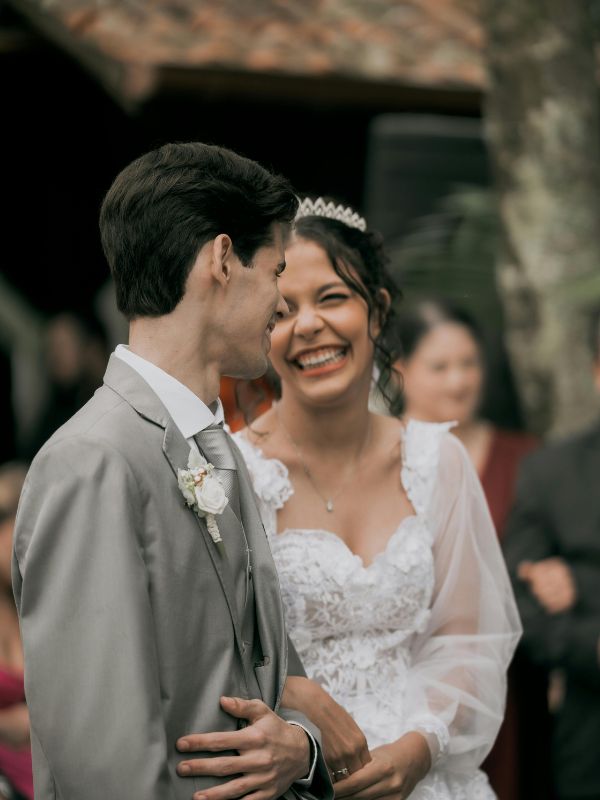
At the end of the day, building a wedding budget breakdown is not about limiting your happiness, it’s about protecting your peace of mind and ensuring you start your marriage on solid financial ground. Whether you’re working with a 10k wedding budget, planning a wedding under 15k, or aiming for a simple wedding on a budget, the goal is the same: to create a celebration that feels true to you without leaving long-term financial strain.
By approaching wedding planning with intentionality, you can enjoy the process instead of stressing over every dollar. A thoughtful wedding budget breakdown gives you clarity, while budgeting tips and smart money habits help you stay on track. The key is remembering that your wedding is just one day, but the marriage you’re building is for a lifetime.
So, focus on what matters most, make choices that fit your pocket, and celebrate love in a way that feels right for you. The perfect wedding isn’t measured by how much it costs, it’s measured by how much joy it brings.