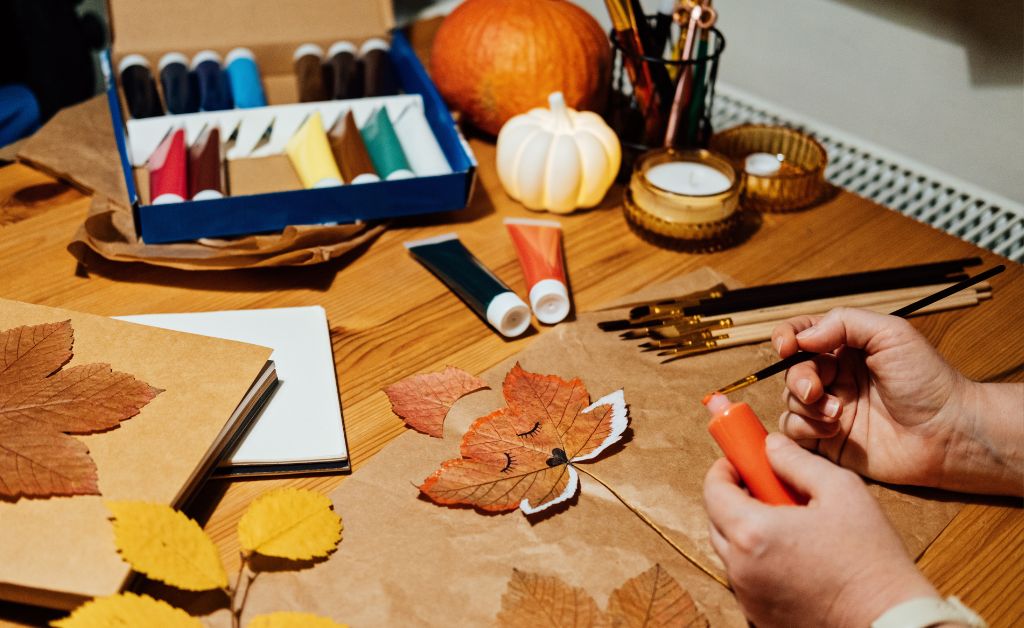
THE SCIENCE AND SKILL BEHIND HALLOWEEN CRAFTS FOR KIDS: FUN THAT ACTUALLY TEACHES
You might think Halloween crafts for kids are “just for fun,” but trust me, they’re so much more. When your kids dive into pumpkins, paper bats, and gooey monster treats, they’re actually building brains, skills, and confidence. Yep. Halloween crafts are secretly superheroes in disguise.
Cognitive and Motor Skill Development
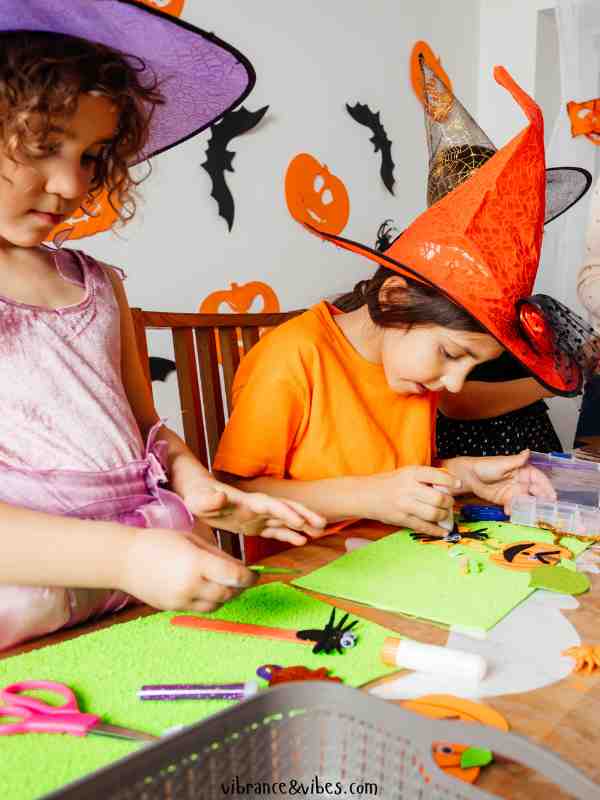
Here’s the deal, when kids cut, glue, paint, or fold, they’re exercising fine motor skills, sharpening hand-eye coordination, and boosting problem-solving abilities. Every little snip or sticker placement is a mini workout for their brain.
Toddlers get those tiny muscles moving with simple, safe activities. (Think: sticking paper shapes or handprint ghosts.)
Preschoolers start mastering scissors, glue, and patterns, which lays the groundwork for school-ready skills.
Encouraging Creativity and Imagination
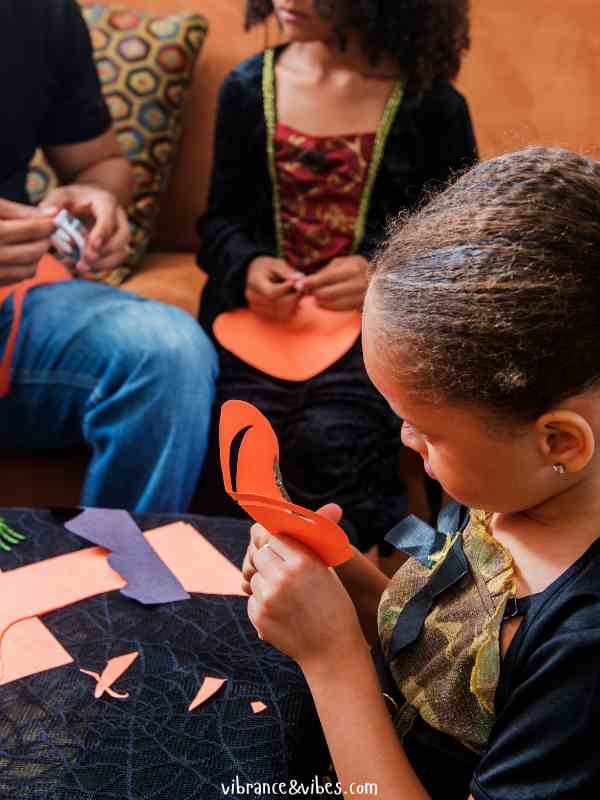
Halloween crafts let kids dream big, weird, and spooky. That paper skeleton? Not just spooky, it’s a lesson in design. That monster mask? A mini-masterpiece in imagination.
Crafts push kids to think creatively, make choices, and experiment.
They learn that there’s no one right way to do things, your purple spider is just as magical as the black one.
Celebrate the quirks. The wonky pumpkin is cooler than any perfect Pinterest one.
Social and Emotional Benefits
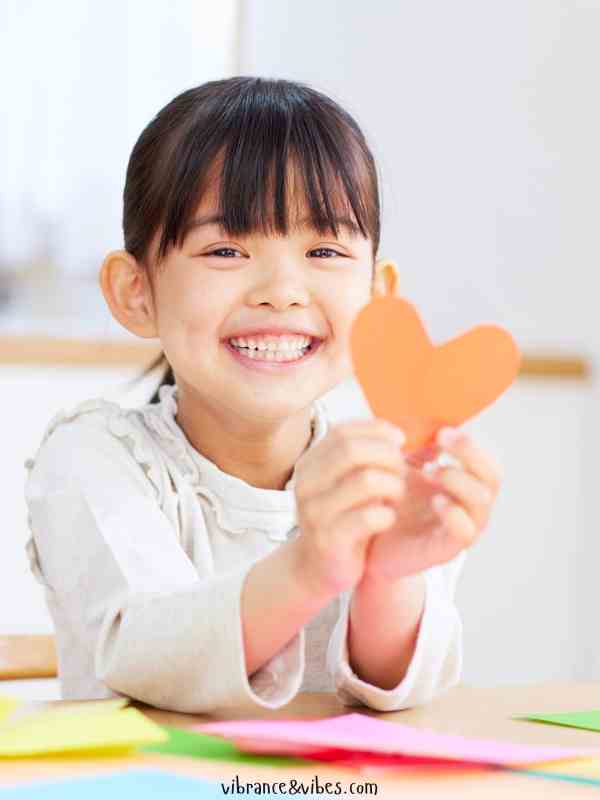
Craft time isn’t just solo magic. When kids craft together, they learn:
Collaboration: sharing glue sticks and ideas.
Patience: waiting turns or letting paint dry (ugh, yes, patience).
Confidence: nothing beats the grin of holding up their own creation.
Halloween crafts are little confidence boosters wrapped in orange and black.
Choosing Age-Appropriate Halloween Crafts
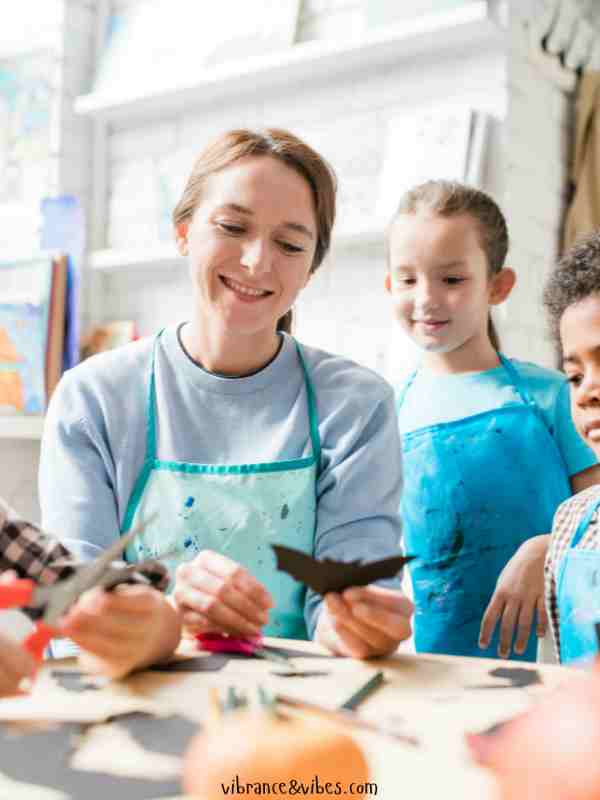
Not all Halloween crafts for kids are created equal. Your 2-year-old isn’t ready to handle glue guns, and your 7-year-old will be bored with stickers alone. Picking age-appropriate crafts means fun, safety, and actual skill-building, without the tears or chaos.
Crafts for Toddlers
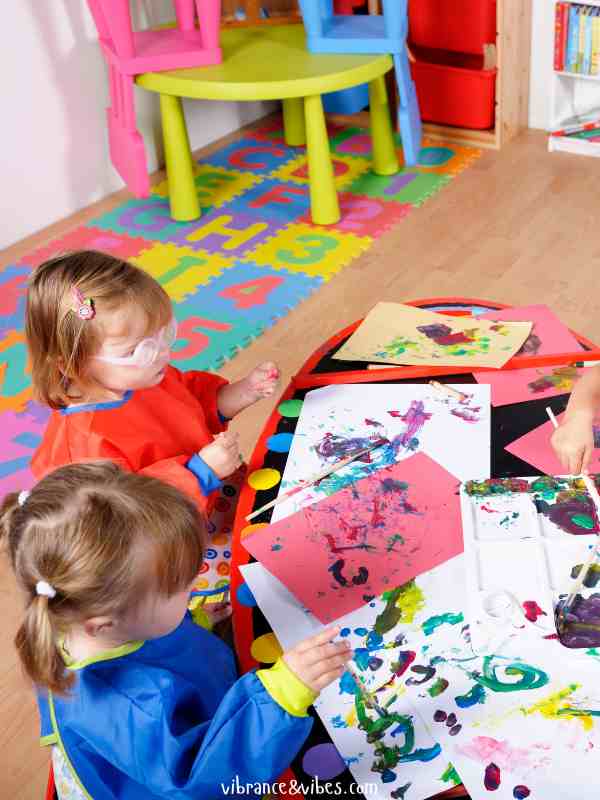
Toddlers are all about sensory exploration. Keep it simple, safe, and oh-so-touchable. Think sticking, stamping, and painting, not sharp scissors or tiny beads.
Examples:
Handprint Ghosts: Paint tiny hands white, press onto black cardstock, and voila, spooky ghosts.
Paper Plate Pumpkins: Toddlers can stick shapes or dab paint to make their pumpkin masterpiece.
Why this is recommendable:
- Develops fine motor skills
- Introduces colors and shapes
- Encourages sensory play and exploration
Crafts for Preschoolers
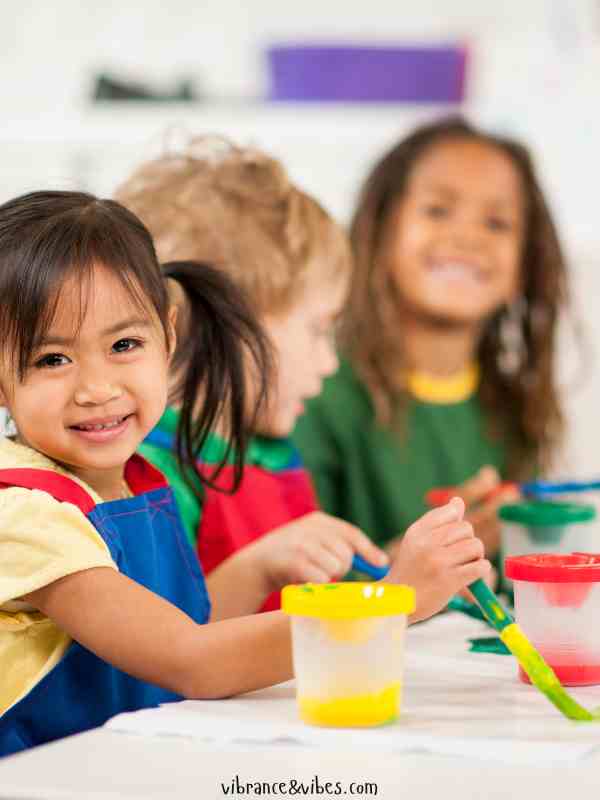
Preschoolers are ready for a bit more structure + creativity combo. They can handle scissors, glue sticks, and following a simple pattern. These crafts grow planning skills, creativity, and confidence.
Examples:
Spider Web Yarn Art: Arrange yarn on black cardstock to create a “web.” Perfect for problem-solving and hand-eye coordination.
Pumpkin Mosaic Collage: Torn paper, foam, or stickers to decorate pumpkins. Works on pattern recognition and fine motor skills.
Why it matters:
- Boosts creativity and imagination
- Strengthens planning and sequencing skills
- Improves fine motor control
Tip: Celebrate imperfect patterns. That slightly crooked web? Art. That lopsided pumpkin? Character.
Halloween Crafts for Older Kids and Classroom Projects
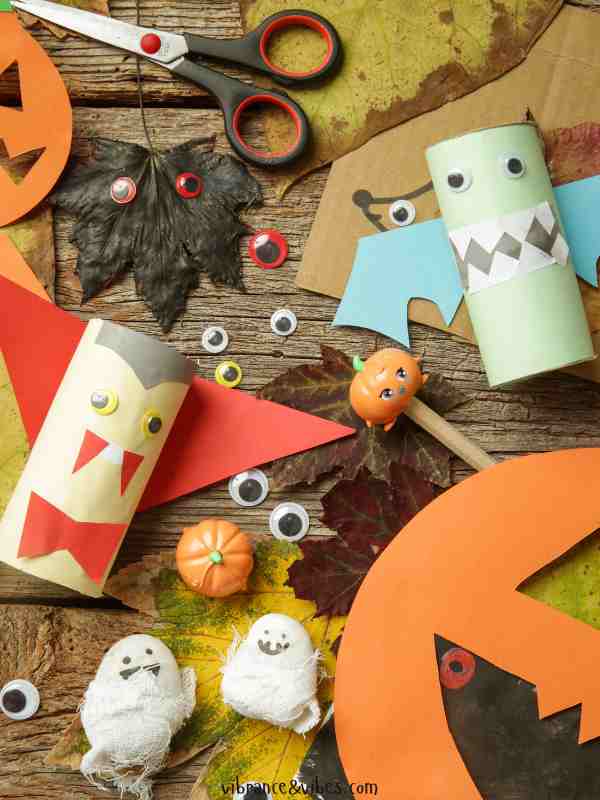
Older kids are ready for complex, themed, and collaborative projects. Perfect for school parties or group activities. They can measure, plan, and even improvise, skills that last beyond Halloween.
Examples:
Haunted House Dioramas: Kids learn measurement, planning, and teamwork while creating spooky scenes.
DIY Halloween Masks: Design, cut, and decorate. Great for practicing problem-solving and artistic expression.
Why it matters:
- Encourages collaboration and communication
- Promotes critical thinking and design skills
- Perfect for Halloween crafts for classroom projects and school party decorations
Tip: Encourage group “contest” spirit—best haunted house wins… bragging rights, obviously.
Halloween Crafts for Kids for Different Purposes
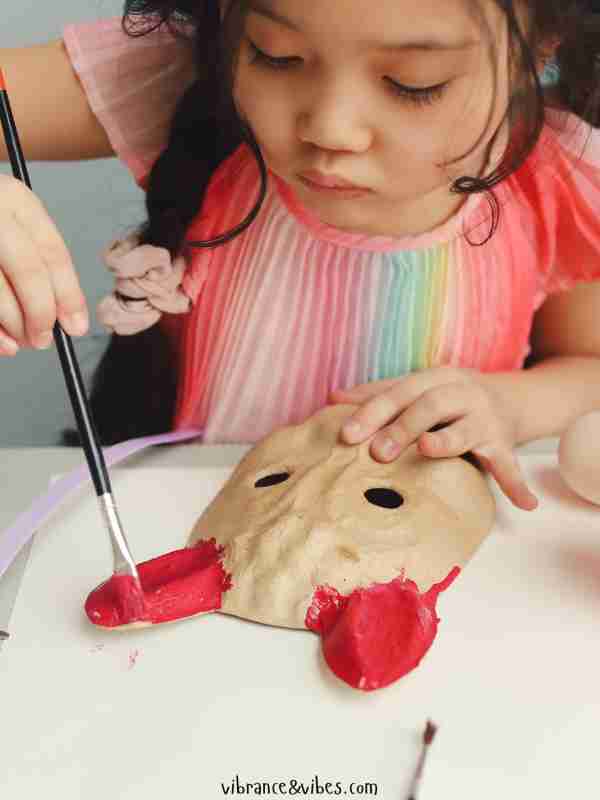
Not all Halloween crafts for kids are made equal, or for the same reason. Some are purely decorative, some can earn you a few bucks, and others are party-time showstoppers. Let’s break it down so you can pick the right craft for the right occasion.
Crafts for Home Decoration
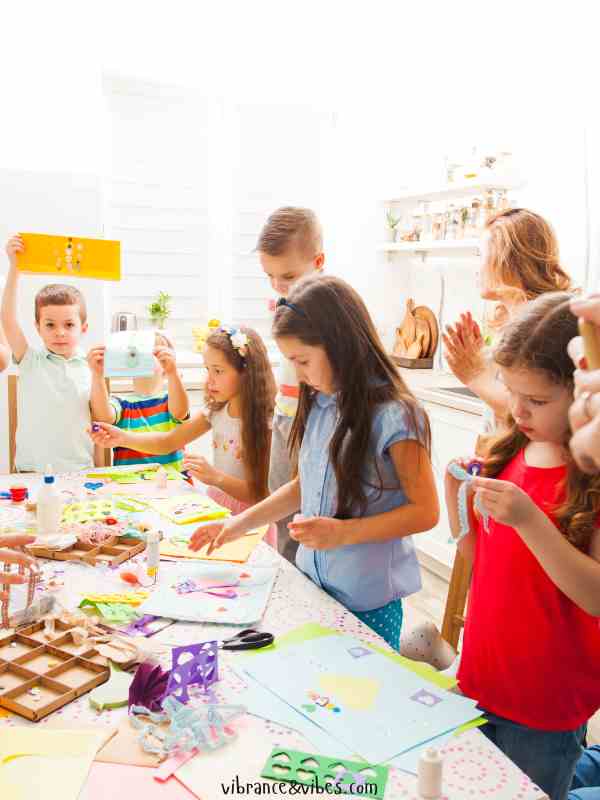
Turn your home into a spooky-but-stylish haunt without losing your sanity. These crafts double as hands-on fun for the kids and Instagram-worthy décor.
Examples:
Paper Garlands: Pumpkins, bats, or ghosts strung across a mantel or doorway.
Spooky Lanterns: Painted jars with cut-out shapes + LED tealights.
Pumpkin Art: Not just carving, try painting or decoupage for a safer, chic look.
Why it matters:
- Kids see their work displayed proudly.
- Boosts creativity and self-confidence.
- Gives your home a personal, festive touch.
Tip: Let the kids pick the theme. Who cares if your ghost garland is purple and green? Halloween is chaos anyway.
Halloween Crafts to Sell
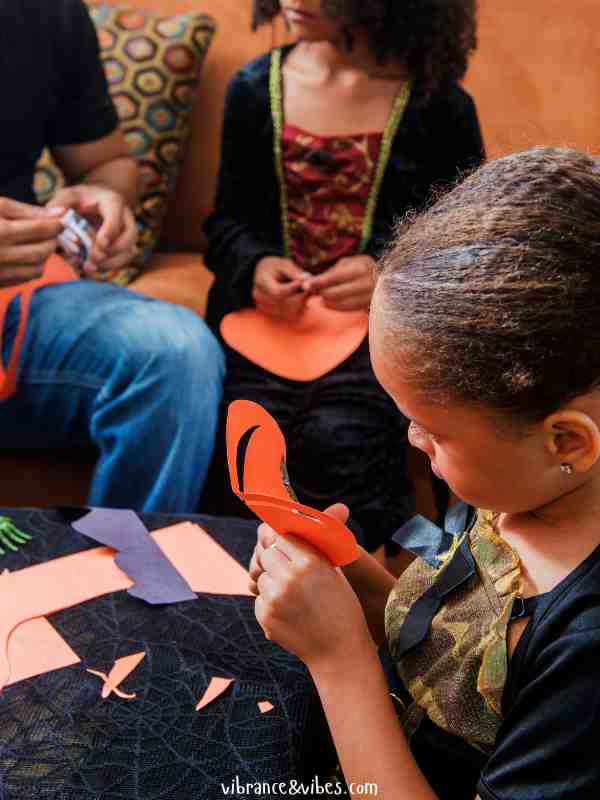
Feeling entrepreneurial? Halloween crafts aren’t just cute, they can earn your kids or classroom some cash. Perfect for local fairs, online shops, or community markets.
Examples:
Handmade Halloween Cards: Kids can draw, stamp, or collage spooky designs.
Mini Pumpkin Decor: Painted or glittered pumpkins for desks or mantels.
Candle Holders or Jar Crafts: Decorated jars with seasonal flair.
Why it matters:
- Introduces kids to basic entrepreneurship concepts.
- Teaches patience, quality, and attention to detail.
- Turns crafting into a fun learning experience beyond the home.
Tip: Don’t worry if your “spooky” card looks more like a friendly monster. Buyers love personality.
Crafts for Party Activities
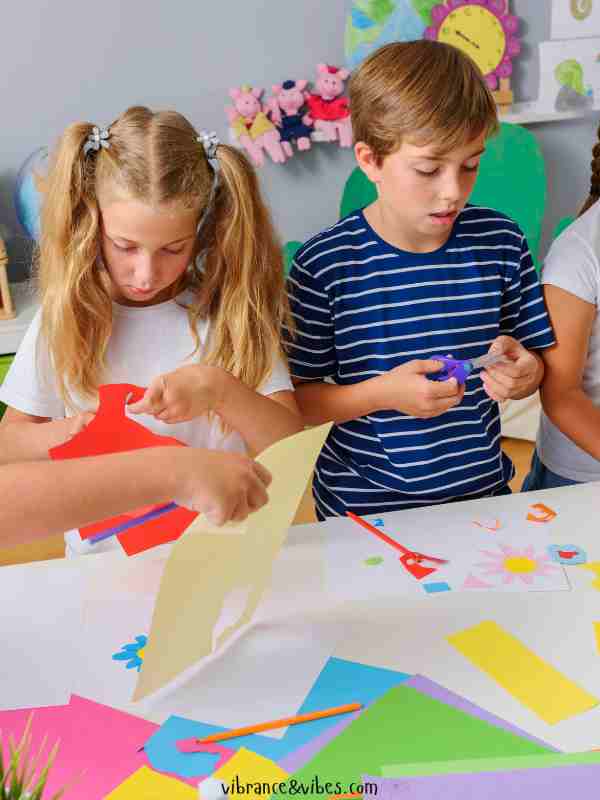
Make your Halloween party interactive and memorable. Crafts here are group-friendly and can double as Halloween decorations or take-home treasures.
Examples:
Pumpkin Decorating Stations: Kids grab stickers, markers, and paints—instant fun.
Monster Mask Making: Everyone gets a mask and suddenly the living room is a costume parade.
DIY Trick-or-Treat Bags: Personalize with paint or stamps; great for group creativity.
Why it matters:
- Keeps kids engaged and entertained.
- Sparks collaboration and shared pride in creations.
- Adds a personal touch to any Halloween party.
Have a little “craft contest” with fun prizes, think glow sticks, chocolate, or extra bragging rights.
Tips for Safe and Engaging Halloween Crafting
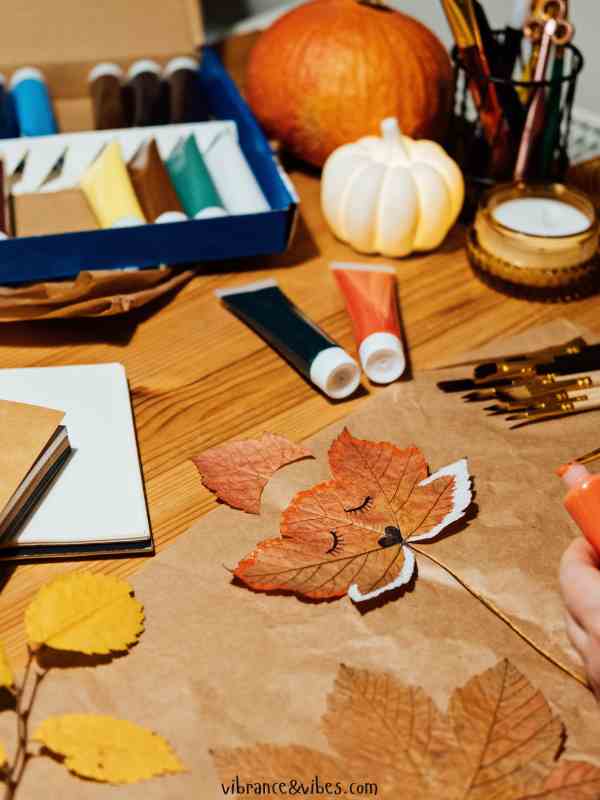
Crafting with kids is awesome, but let’s be real: it can get messy, chaotic, and occasionally hazardous. Don’t worry, we’ve got practical tips to keep the fun flowing and the boo-boos minimal.
Choose Safe, Non-Toxic Materials
- Always pick child-friendly paints, glues, and markers.
- Skip small beads or buttons for toddlers (choking hazard alert!).
- Go for washable materials, because nothing kills the vibe like permanent marker on the sofa.
- If it smells like it could strip paint off walls, it’s probably too harsh for little hands.
Step-by-Step Supervision
- Toddlers = direct supervision. Hold the glue stick if needed.
- Preschoolers = guided independence. Give clear instructions, but let them experiment.
- Older kids = light oversight, especially for cutting or hot glue.
Make supervision fun, join in and craft alongside them. You’ll get sticky hands, but also bonus laughs.
Encourage Creativity While Guiding Skill-Building
Let kids make mistakes, a lopsided pumpkin is a personality statement.
Ask questions: “What happens if we mix these colors?” or “How can we make it taller?”
Highlight learning outcomes subtly: “Look! You used problem-solving to make that web perfect!”
Curated List of Inspiring Halloween Crafts
Here’s where the magic happens. These crafts are hands-on, educational, and oh-so-spooky, giving kids a chance to learn while creating something they can show off. Each craft includes materials, steps, and the skills it builds—because fun + learning = win-win.
Paper Pumpkin Lanterns
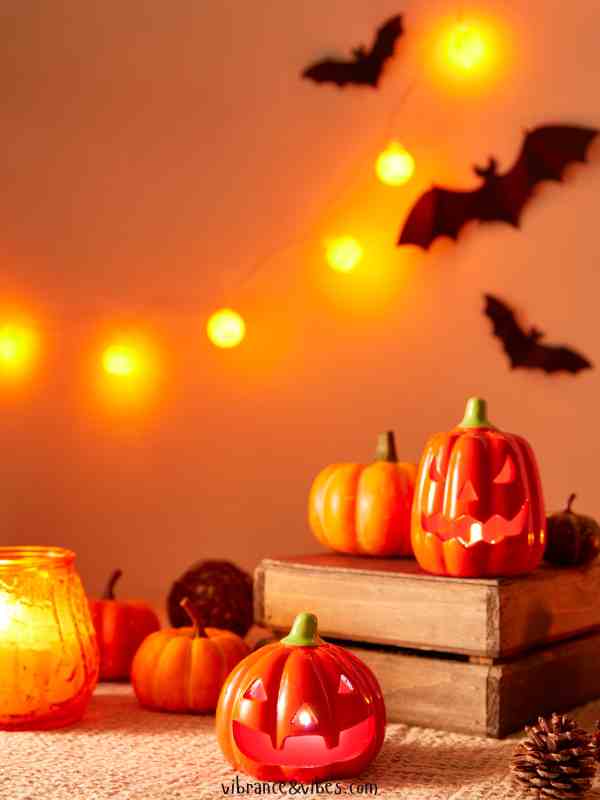
Materials Needed: Orange paper, scissors (safety scissors for kids), glue, tealight candle (LED recommended), black paper for faces.
Steps:
Cut orange paper into strips.
Glue one end to a circle base.
Repeat with remaining strips, securing tops together to form a pumpkin shape.
Add black paper face cut-outs.
Place LED tealight inside.
Learning Benefits:
- Strengthens fine motor skills (cutting and gluing)
- Teaches color recognition
- Introduces spatial awareness
Slightly crooked strips? Adds character. Perfectly aligned pumpkins are boring anyway.
Spider Web Art with Yarn
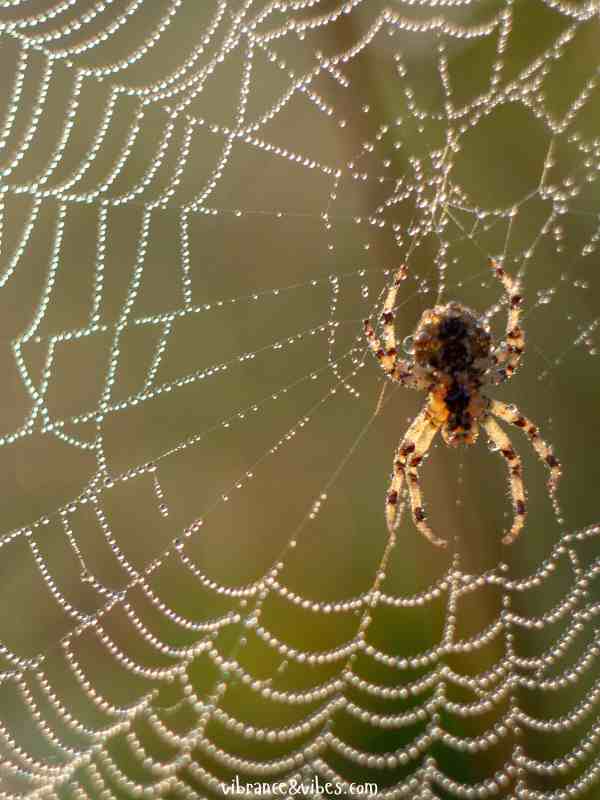
Materials Needed: Black cardstock, white yarn, tape or glue, scissors, optional googly eyes.
Steps:
Cut yarn into different lengths.
Arrange yarn in web patterns on black cardstock.
Tape or glue each strand into place.
Add a spider (googly eyes optional) for fun.
Learning Benefits:
- Encourages problem-solving and planning
- Improves hand-eye coordination
- Stimulates creative thinking
Let them make wild, impossible webs. Bonus points for drama and chaos.
Edible Monster Treats
Materials Needed: Rice cakes, peanut butter or frosting, candies, raisins, chocolate chips, food coloring.
Steps:
Spread frosting or peanut butter on rice cakes.
Let kids decorate with candies to create “monster faces.”
Optional: Use food coloring for spooky effects.
Learning Benefits:
- Sensory exploration (touch, taste, color)
- Enhances creativity and artistic expression
- Encourages decision-making and planning
Additional Craft Ideas (short mentions for variety)
Bat Garland: Cut bats from black paper and string across a room.
Ghost Mobiles: White tissPerfect! Let’s tackle the next section:
How to Incorporate Halloween Crafts Into Learning
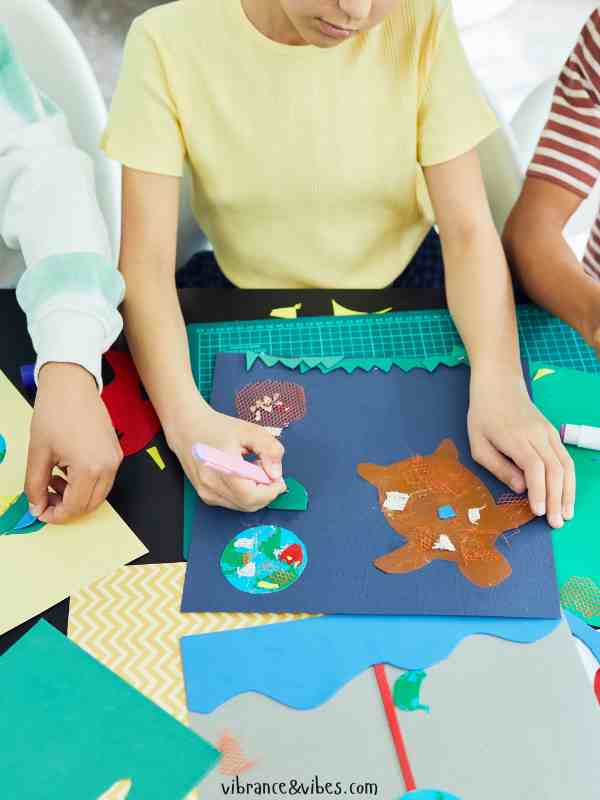
Halloween crafts aren’t just for fun, they’re secret mini-lessons in disguise. You can turn every pumpkin, ghost, or spider web into a learning opportunity without the kids even noticing.
Using Crafts for Early Learning
Counting: Count pumpkins, bats, or candy pieces as part of the craft.
Colors & Shapes: Identify colors, cut out shapes, and sort items by size or type.
Pattern Recognition: Create repeating patterns with stickers, beads, or paper cut-outs.
Make it playful. Ask, “Can we make three purple pumpkins in a row?” Kids will think they’re just crafting, but their brains are on fire.
Linking Seasonal Crafts to Classroom Lessons
Use crafts to reinforce subjects:
Math: Measure pumpkin stems or cut shapes in halves/quarters.
Science: Discuss why pumpkins grow, or how spiders spin webs.
Language: Write a spooky story to go with their monster mask.
Perfect for Halloween crafts for classroom projects or school party decorations.
Cheeky tip: Teachers, think of this as sneaky lesson-planning, learning disguised as fun.
Encouraging Independent Creativity at Home or School
Let kids make choices: colors, designs, materials.
Ask open-ended questions: “What else could your ghost wear?” or “How would your pumpkin be extra spooky?”
Encourage problem-solving: How can they balance their paper lantern? How can they make their bat hang evenly?
Balancing Fun and Learning in Halloween Crafts
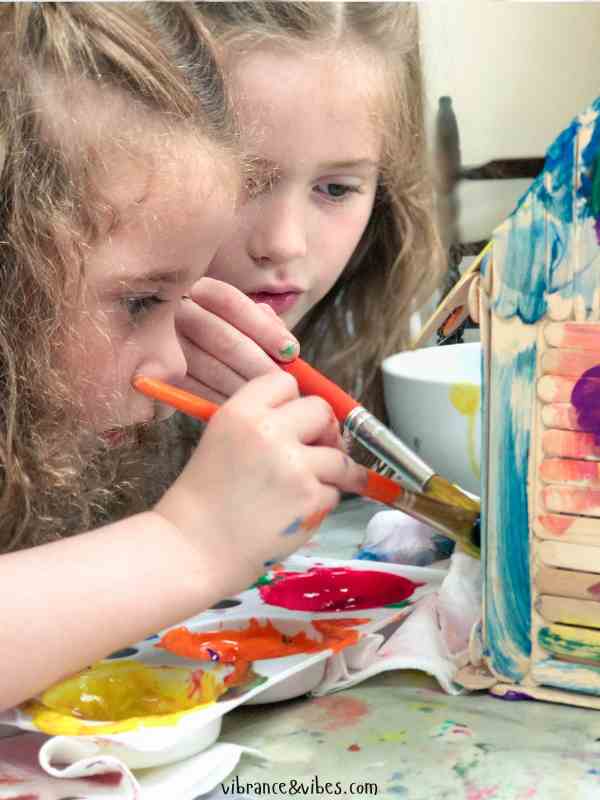
Here’s the truth: Halloween crafts are more than cute decorations or sticky fingers. They’re a goldmine for creativity, learning, and confidence, all wrapped up in pumpkins, ghosts, and a little bit of glitter.
Fun + Learning = Win-Win: Kids are having a blast while developing motor skills, problem-solving, and imagination.
Thoughtful Crafting Matters: Choose projects that match your child’s age, interests, and abilities. Safety and creativity go hand-in-hand. You could provide them with some materials and ask them to decorate a kid friendly Halloween Backdrop. Check this DIY Halloween Backdrop ideas for creative inspirations
Celebrate Every Creation: Imperfect, quirky, wonky, they’re all learning victories.
You now have the tools, ideas, and know-how to make Halloween crafting a highlight of the season. Your kids are not just making crafts, they’re growing skills, building confidence, and having a blast doing it.
These crafting principles work beautifully for other events:
Halloween Baby Showers: DIY banners, themed mobiles, and sensory play crafts.
Halloween Birthdays: Personalized party favors, cupcake toppers, and interactive decor.