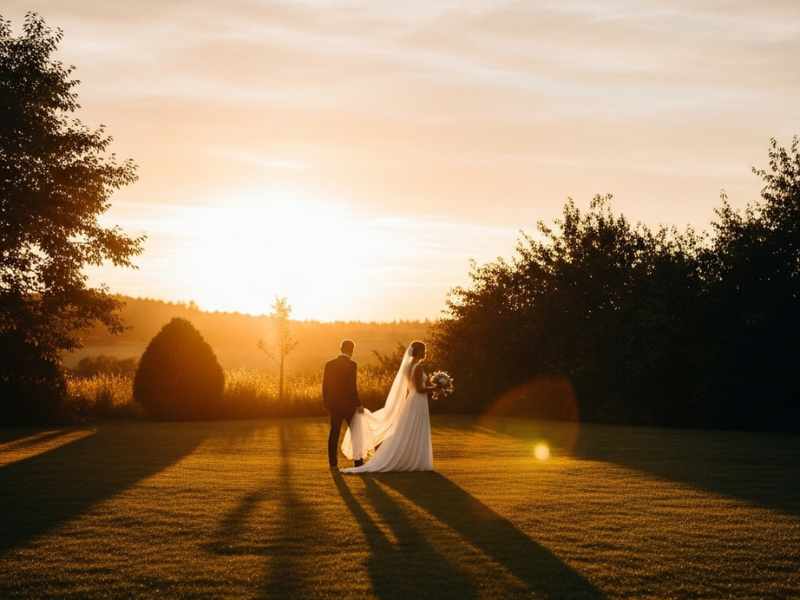
SUMMER WEDDING PHOTO IDEAS FOR GOLDEN HOUR
A lot of couples miss the best lighting of the day and regret it later, these summer wedding photo ideas for golden hour show you exactly what to do before that moment passes.
Golden hour is the short window of time just before sunset, usually lasting about 30 to 60 minutes depending on the location and season.
During this period, the light becomes softer, warmer, and more diffused, which reduces harsh shadows and creates a natural glow that looks flattering on all skin tones.
This is why golden hour is so highly valued in wedding photography. It adds a calm, romantic feel to photos without needing heavy editing or artificial lighting. The result is a more natural, timeless look that feels effortless.
However, many couples like the idea of golden hour photos but don’t plan their timeline around it, and end up missing it completely. The timing is short, and once it passes, it cannot be recreated.
This is why golden hour is not just a photo trend, it is a timing strategy. When planned properly, it becomes one of the most rewarding parts of your wedding photography.
In this guide, you will learn how to time it correctly, choose the right location, and capture natural, beautiful moments.
Creating a memorable first impression starts with your entrance, and these Summer Wedding Entrance Ideas for Bride and Groom help set the tone for a beautiful celebration.
When Exactly Is Golden Hour for a Summer Wedding?
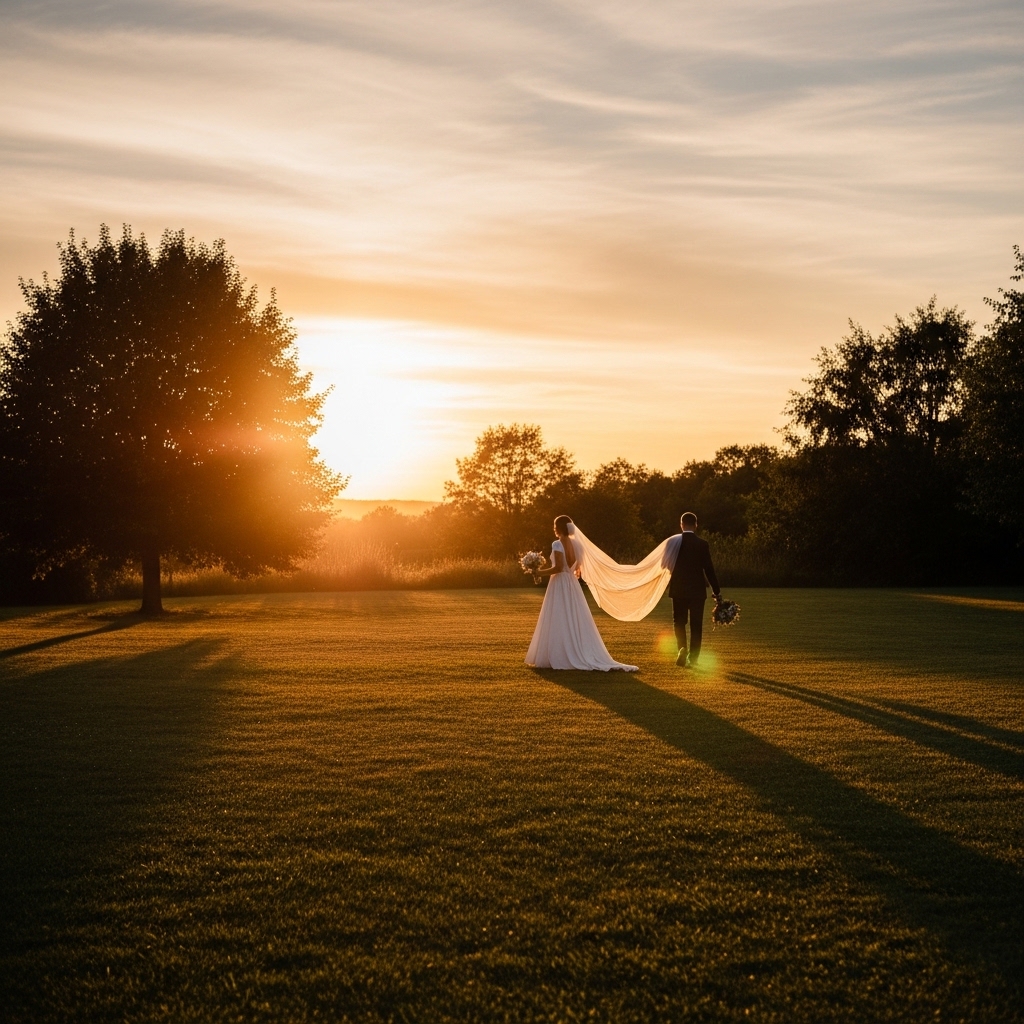
Golden hour does not happen at a fixed time. It depends on your location, the weather, and the time of year. This is why relying on guesswork can easily make you miss it.
During summer, golden hour usually happens later in the evening because the days are longer. This gives you more flexibility, but it also means your timeline needs to stretch further into the evening than you might expect.
To get the timing right, many photographers use simple sun-tracking apps to check the exact sunset time for your wedding day and location.
Know This: Don’t plan your photos at sunset. Aim for 30–45 minutes before sunset, when the light is softer, more flattering, and easier to work with.
Getting this timing right is what makes the difference between rushed photos and calm, naturally beautiful moments.
A well-designed walkway can completely change your ceremony feel, and these Backyard Wedding Aisle Ideas for Outdoor Ceremonies focus on simple but stunning setups.
Best Golden Hour Photo Ideas for Summer Weddings
Golden hour is not only about the light, it is about how you use that light with movement, emotion, and natural connection.
The best summer wedding photo ideas and golden hour moments are usually simple, because the lighting does most of the work for you when planned correctly.
Below are some of the most reliable and visually impactful golden hour photo ideas you can use to create natural, timeless wedding photos:
A. Backlit Couple Silhouette
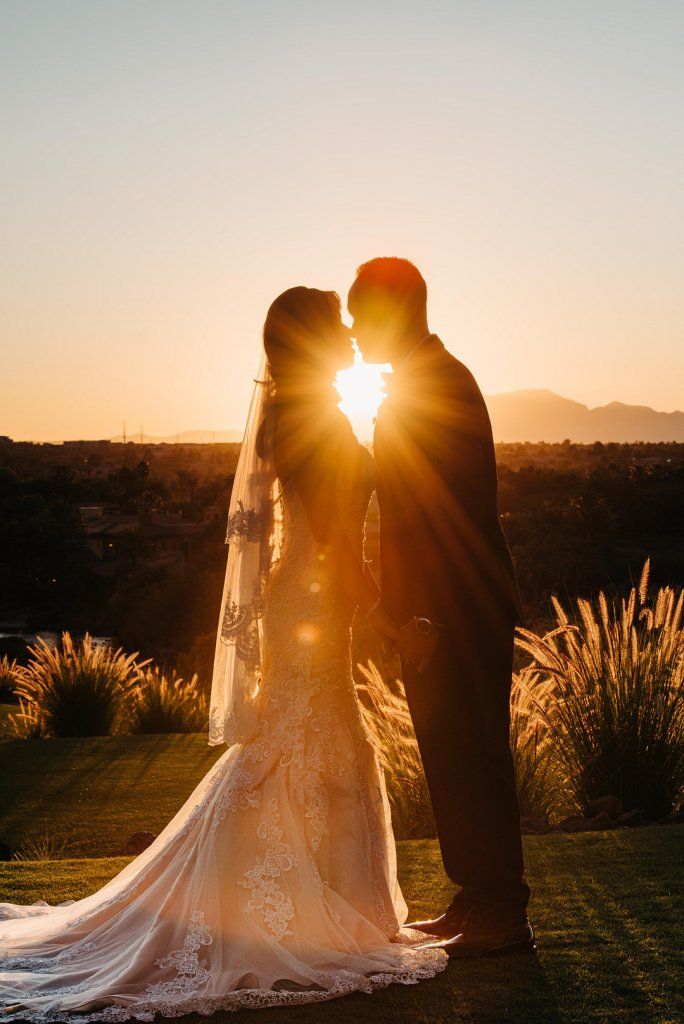
One of the most reliable golden hour shots is the backlit silhouette. This happens when the sun is behind you, creating a soft glowing outline around the couple. It naturally forms a halo-like effect that feels warm, emotional, and timeless without needing heavy posing or direction.
B. Walking Shots in Open Fields or Pathways
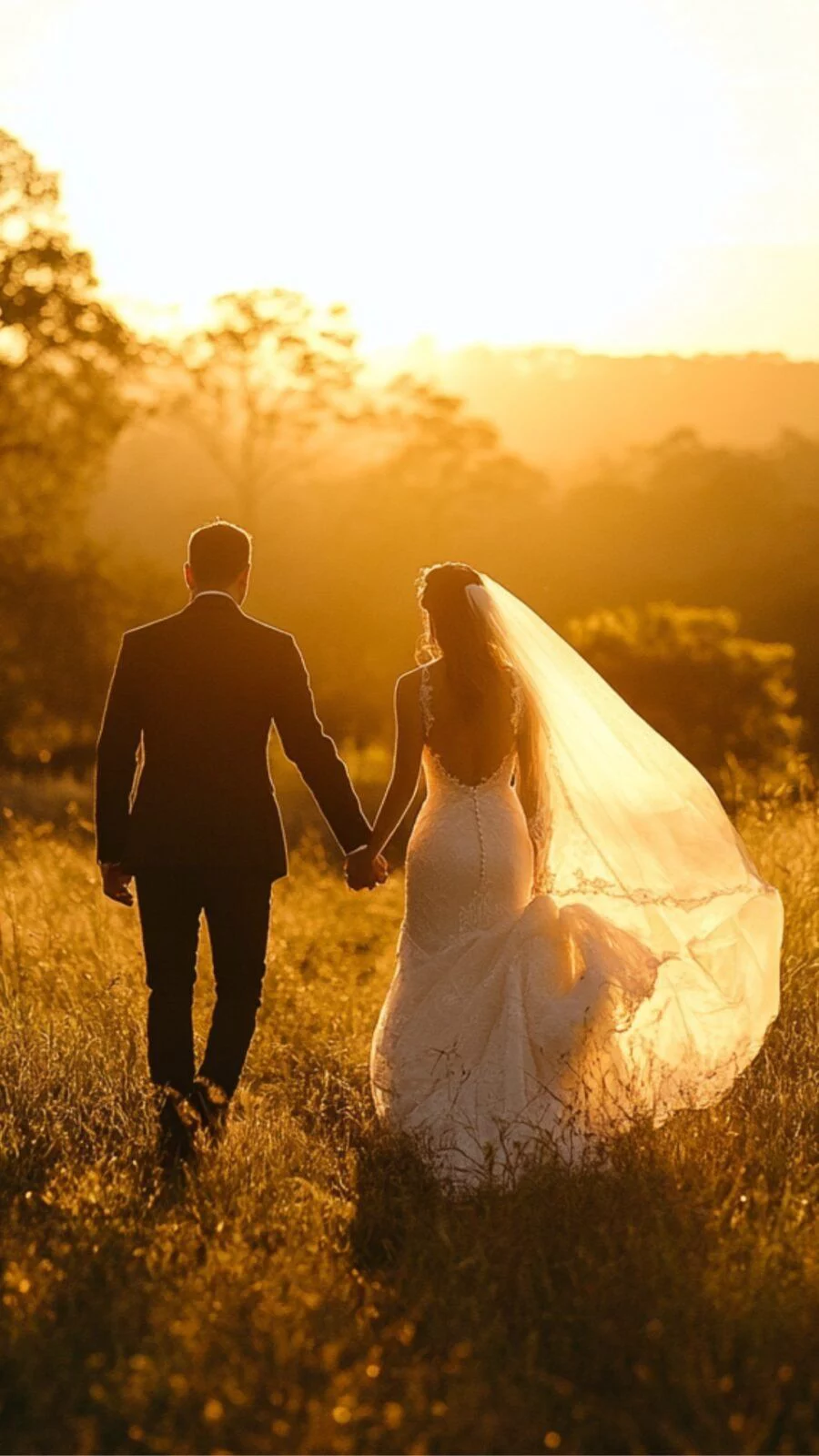
Instead of standing still, movement brings golden hour photos to life. Walking through an open field or along a clear pathway allows the light to fall naturally across you, creating relaxed, effortless images that feel candid rather than staged. Open spaces work best because nothing blocks the sunset light.
Evening weddings come with their own magic, and these Outdoor Summer Wedding Ideas for Evening Ceremonies show how to make the most of soft lighting and cooler hours.
C. Forehead-to-Forehead Close Moments
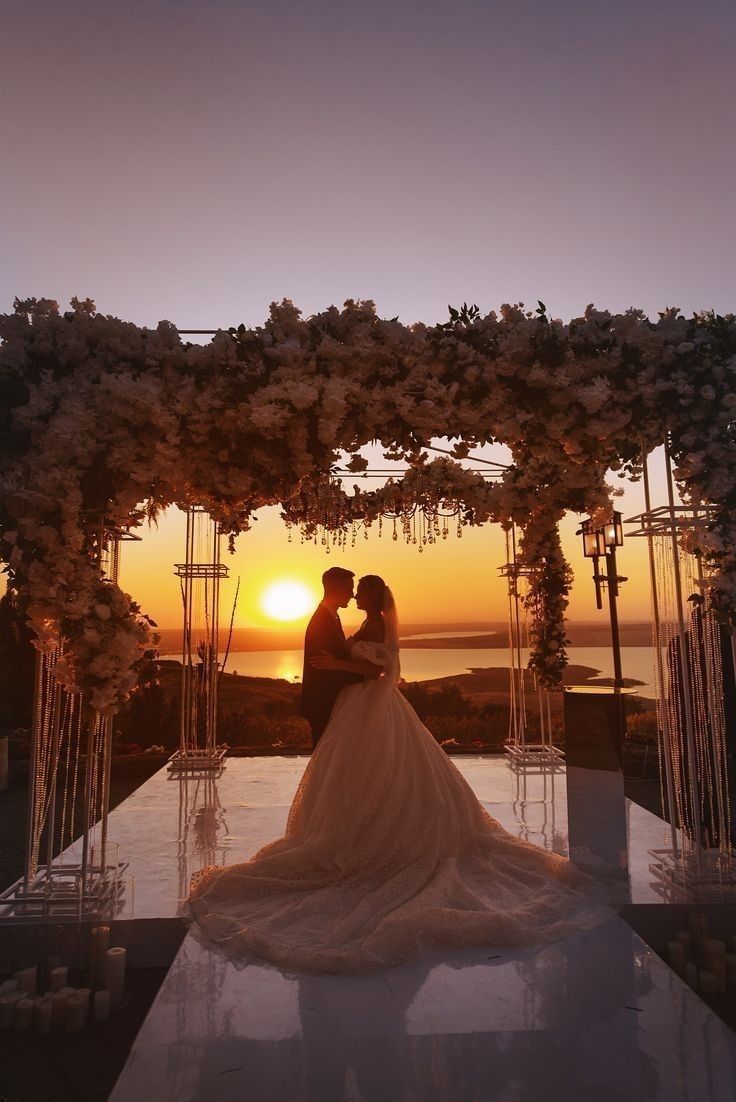
This is a simple but powerful pose where the couple gently leans in close. The softness of golden hour light enhances facial features and skin tones while keeping shadows minimal. It works because the focus is not on posing, it is on connection.
D. Veil Flow or Dress Movement Shots
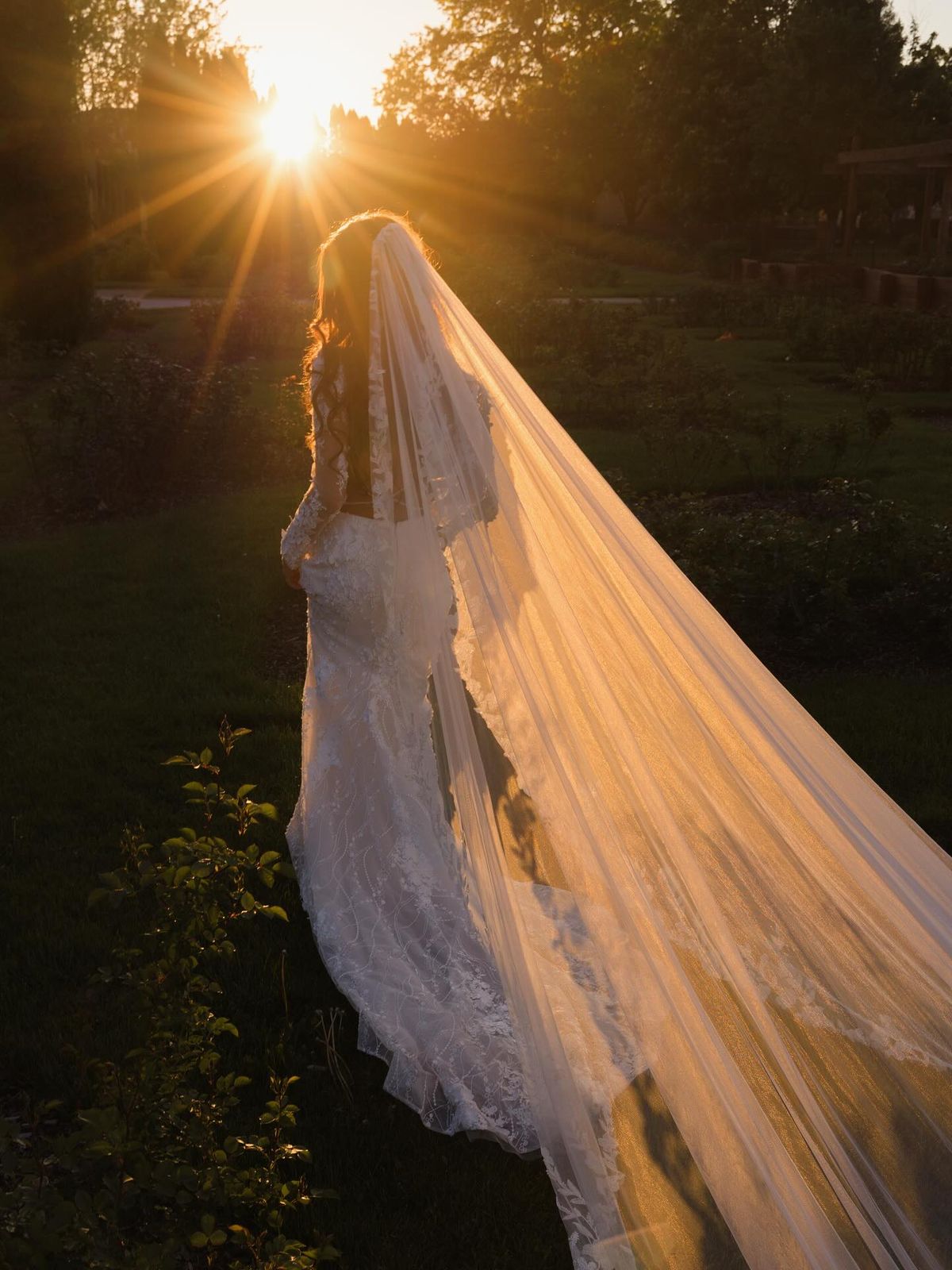
Golden hour light becomes especially beautiful when it passes through fabric. A flowing veil or moving dress catches the light in a soft, glowing way, creating a dreamy effect that feels natural rather than forced. Gentle movement is what makes this shot stand out.
Simple doesn’t have to mean boring, and these Simple Summer Wedding Ideas for Low Budget Brides show how to keep things beautiful without overspending.
E. Candid Laughing & Natural Interaction Shots
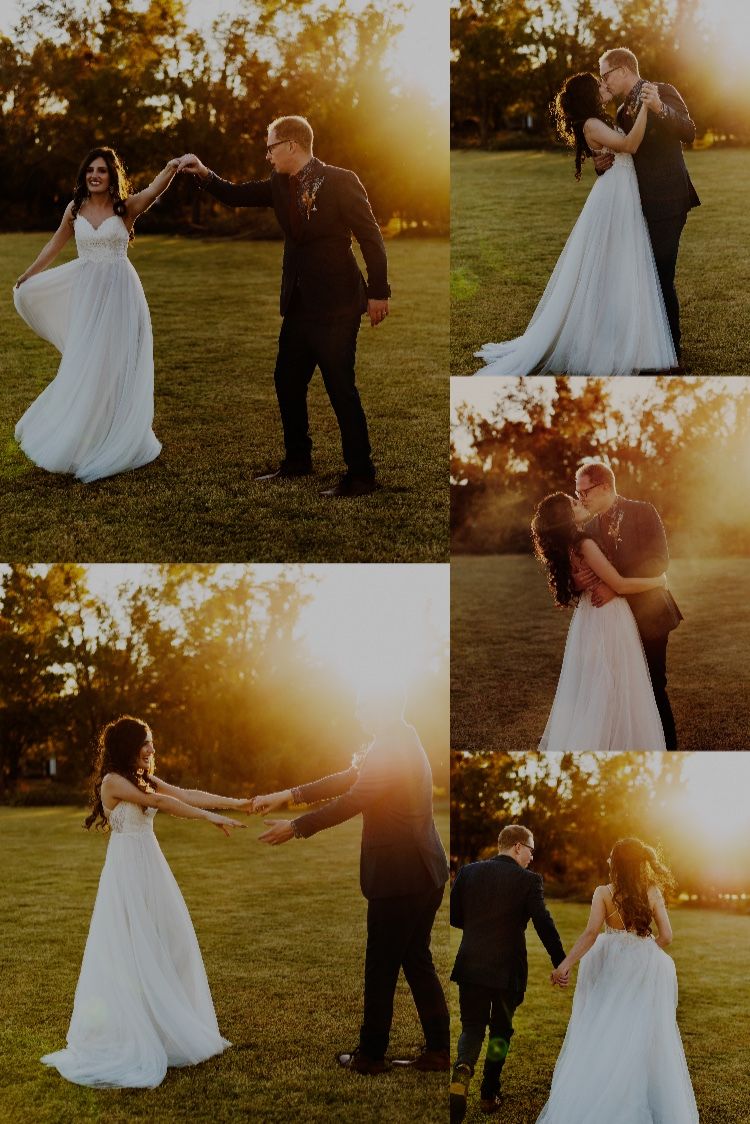
Some of the strongest golden hour photos are not posed at all. Natural laughter, small conversations, or quiet in-between moments work best because the light adds warmth to real emotion. Golden hour rewards authenticity more than stiffness, so the less forced it feels, the better the result.
Planning ahead makes everything smoother, and How to Plan a 2026 Wedding That’s Beyond the Basic helps you design a more intentional celebration.
How to Plan Your Wedding Timeline Around Golden Hour
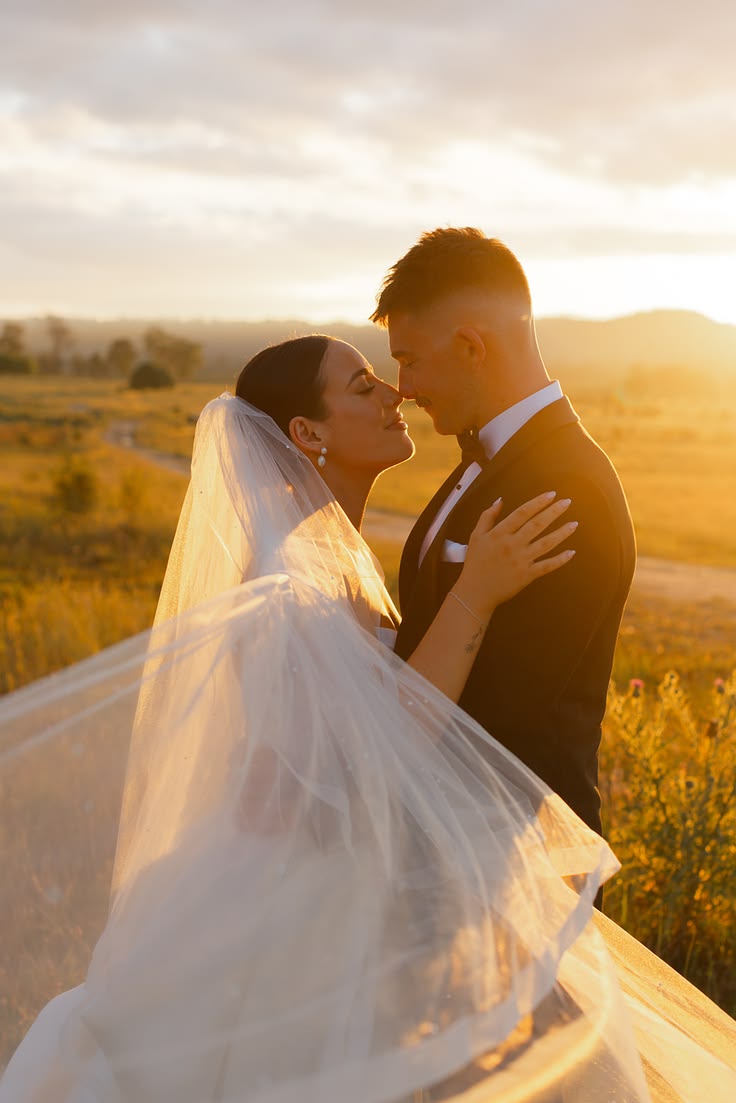
Planning your timeline around golden hour is one of the most important parts of capturing beautiful summer wedding photo ideas and golden hour shots, because the light only lasts for a short time and cannot be recreated later in the day.
Start by scheduling about 10–20 minutes specifically for couple portraits. This is usually enough time to capture a variety of natural, emotional shots without rushing or pulling you away from your celebration for too long.
In most wedding timelines, this moment is placed either:
- After the ceremony, when emotions are still fresh and the light is transitioning
- During a short reception break, where you step out quickly for portraits and return to the celebration
To make this work smoothly, communication is key. Make sure your:
- Photographer knows exactly when and where to capture golden hour
- Wedding planner adjusts the timeline so there is no overlap with key reception moments
- DJ or MC is informed so announcements or important events don’t happen while you are away
Golden hour is very short, especially in summer. That is why timing matters more than creativity, even simple poses look beautiful when the light is right, but even the best ideas fail if you miss the window.
Small design choices can make a big difference, and these DIY Wedding Decorations That Look Professional Yet Save You Money focus on details that elevate your setup.
Romantic & Cinematic Golden Hour Ideas
These are the kinds of shots that feel more like stills from a film than traditional wedding photos. They work because they rely on natural light, simple movement, and composition rather than heavy posing or staging.
1. Sun Flare Shots (light peeking through couple)
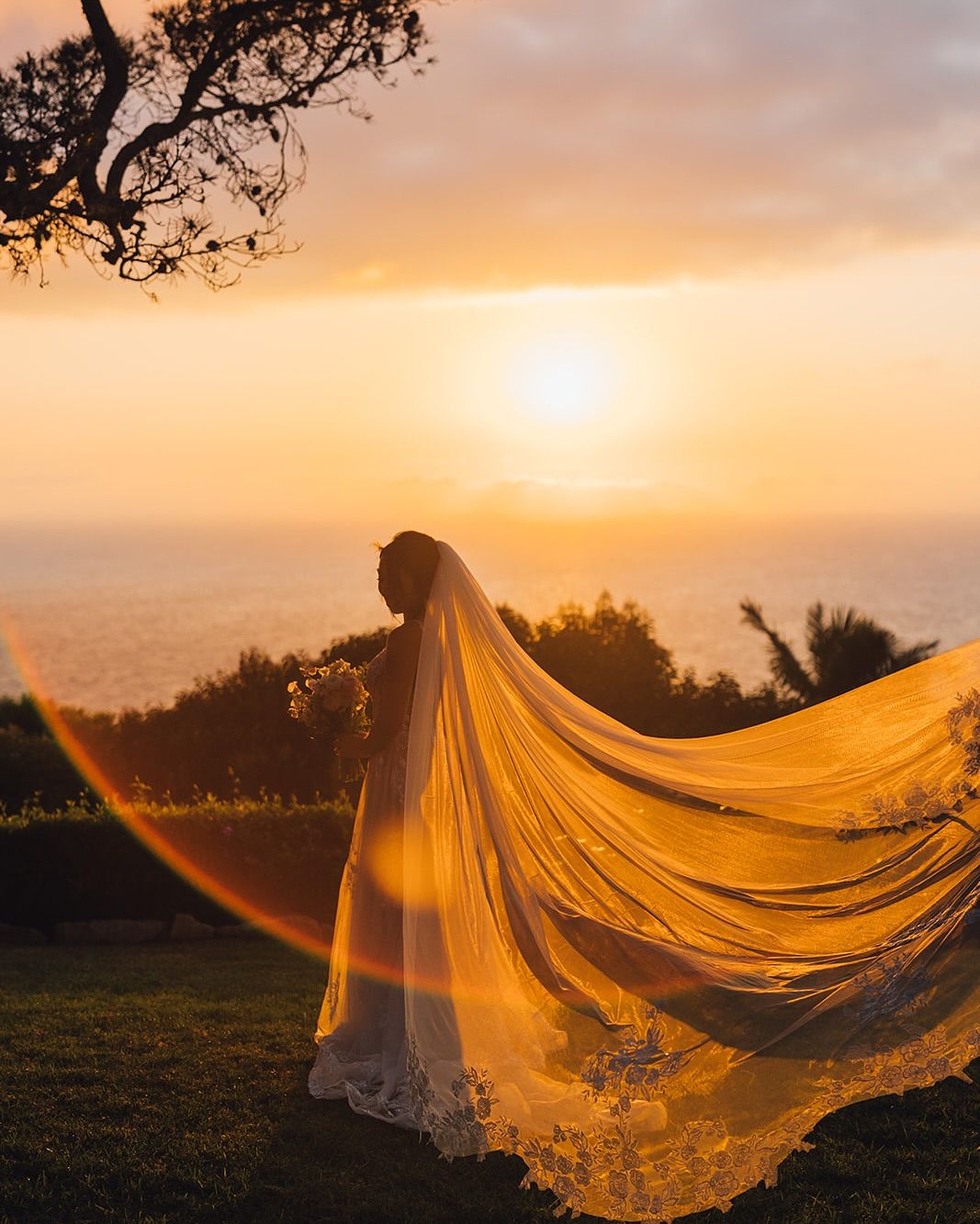
Sun flare happens when the light passes directly into the lens, often filtering through the couple or just behind them. It creates a soft glow that adds warmth and a slightly dreamy, cinematic feel to the image.
2. Kissing Silhouette against Sunset Sky
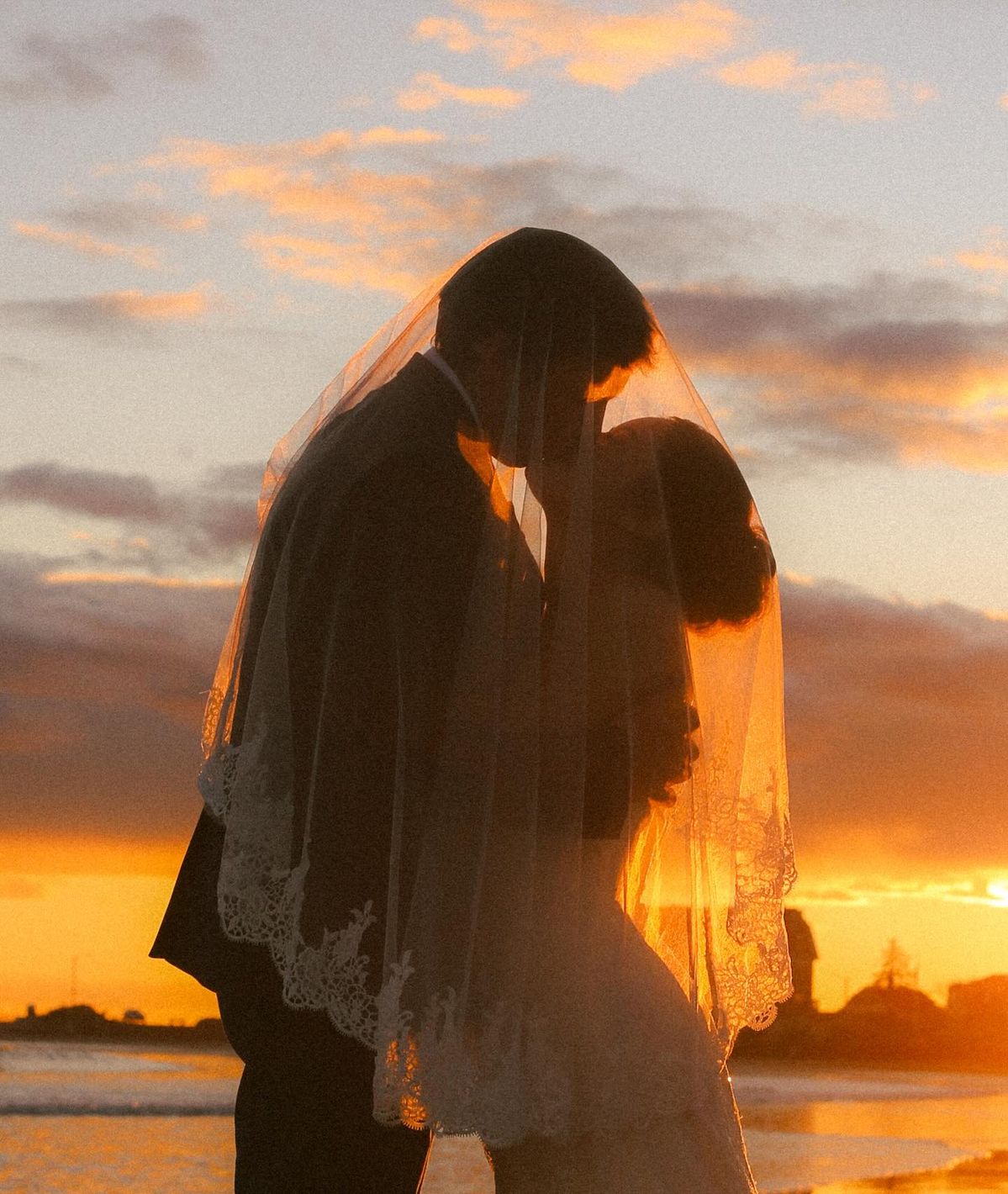
A silhouette kiss is created by positioning the couple directly in front of the setting sun. The lack of detail draws attention to shape and emotion, making the moment feel simple, bold, and timeless.
Many backyard weddings fail because of avoidable planning issues, and From Dreamy to Disaster: Backyard Wedding Mistakes You’ll Regret highlights what to watch out for.
3. Holding Hands Walking into Sunset
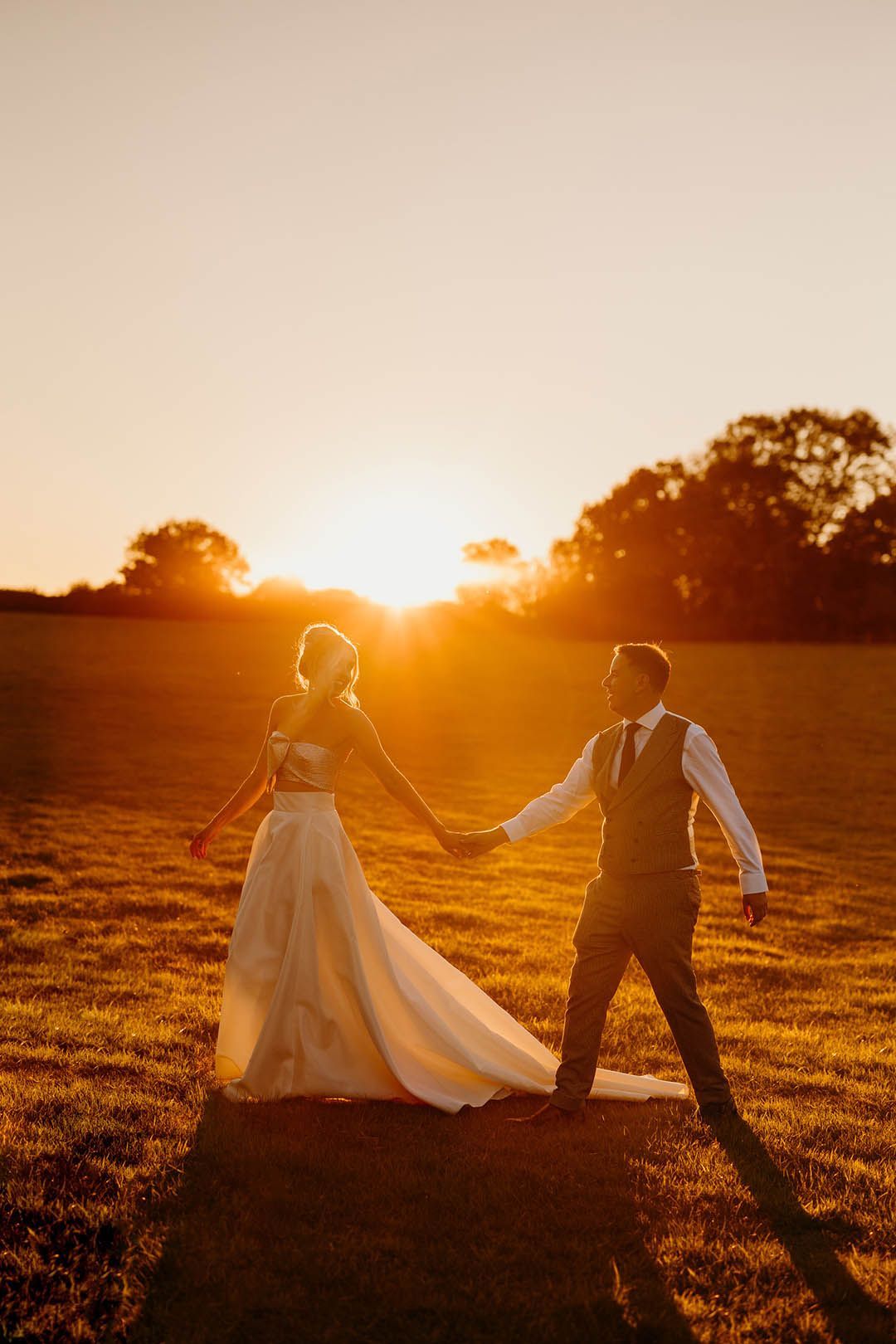
This is a natural movement shot where the couple walks away from the camera toward the sunset. It works best because it feels unposed, capturing direction, connection, and calm motion all in one frame.
4. Wide Landscape Shots with Sky Colors (orange, pink tones)
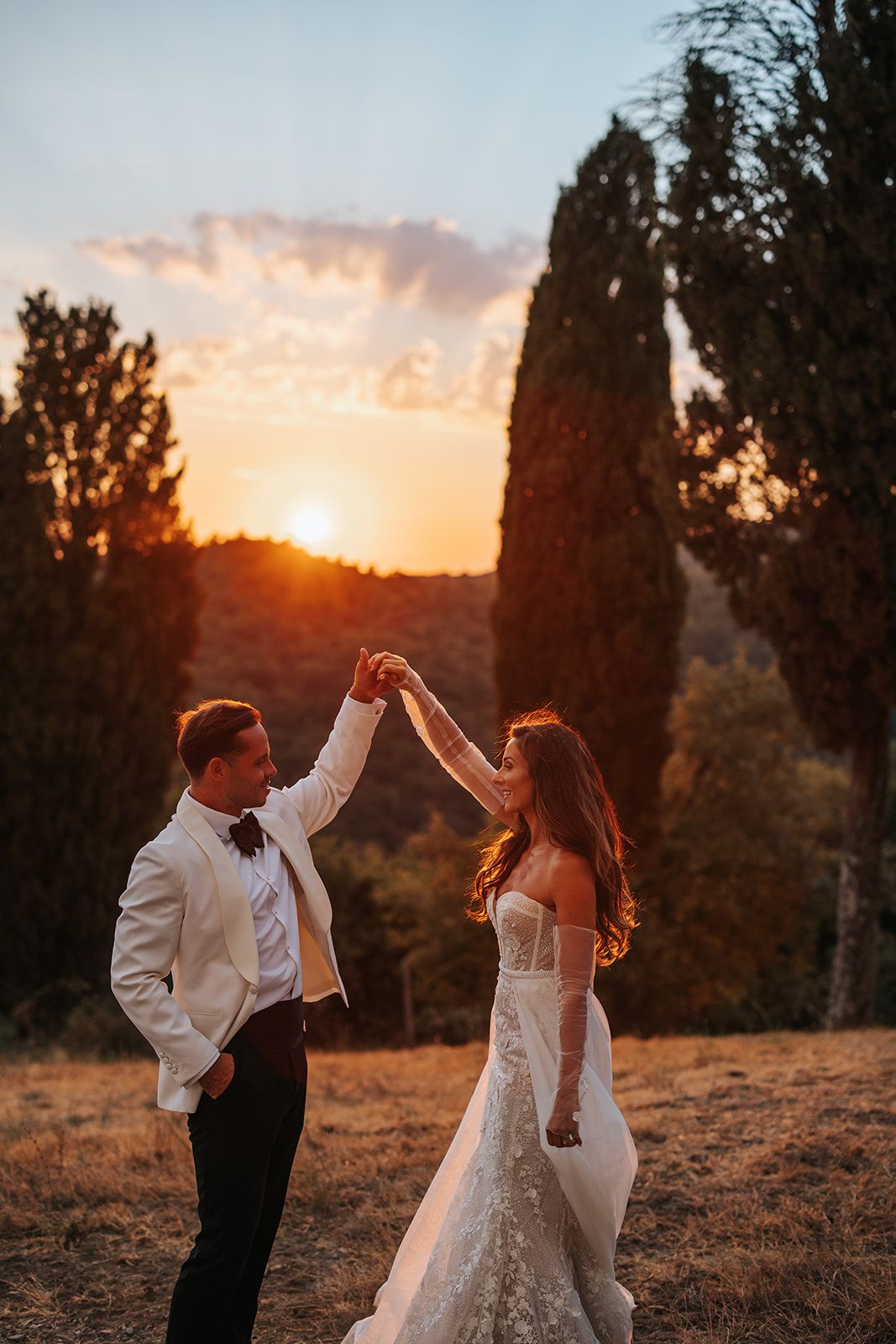
Wide shots place the couple within the full environment, allowing the sky and surrounding landscape to become part of the story. The warm tones of sunset add depth and balance to the composition.
5. Sitting Shots with Long Shadows for Depth
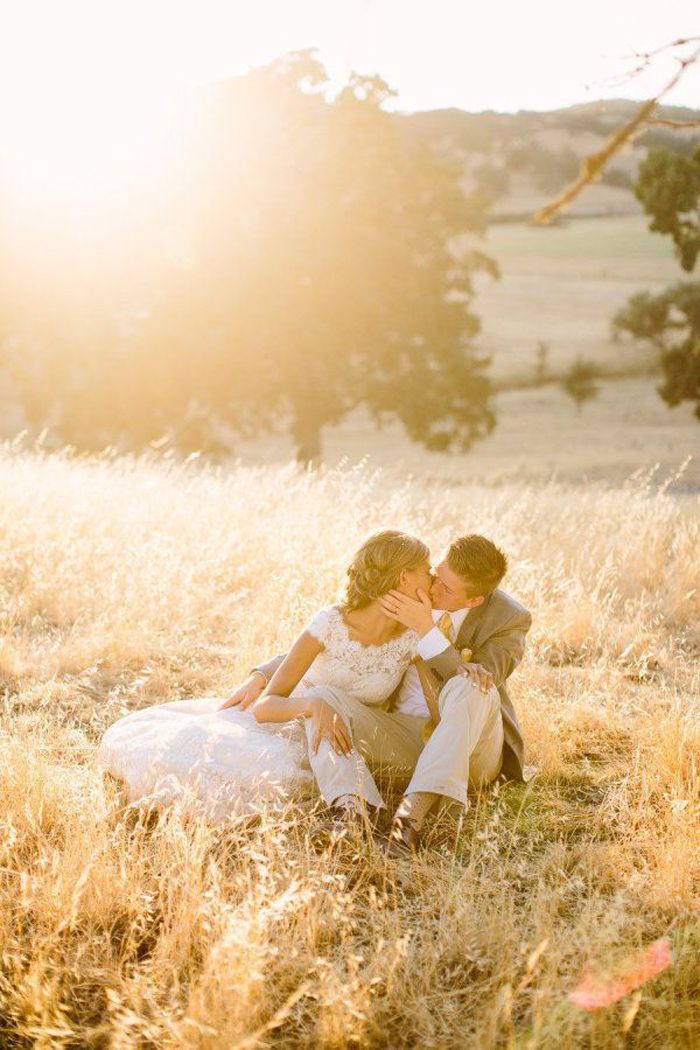
As the sun gets lower, shadows become longer and softer. Sitting shots take advantage of this by using the ground and light direction to create natural depth, making the photo feel grounded and visually rich.
Why this works:
Golden hour naturally enhances depth and dimension through warm tones, soft light, and elongated shadows, making even simple compositions feel visually powerful.
Location Ideas for Summer Wedding Photo Ideas
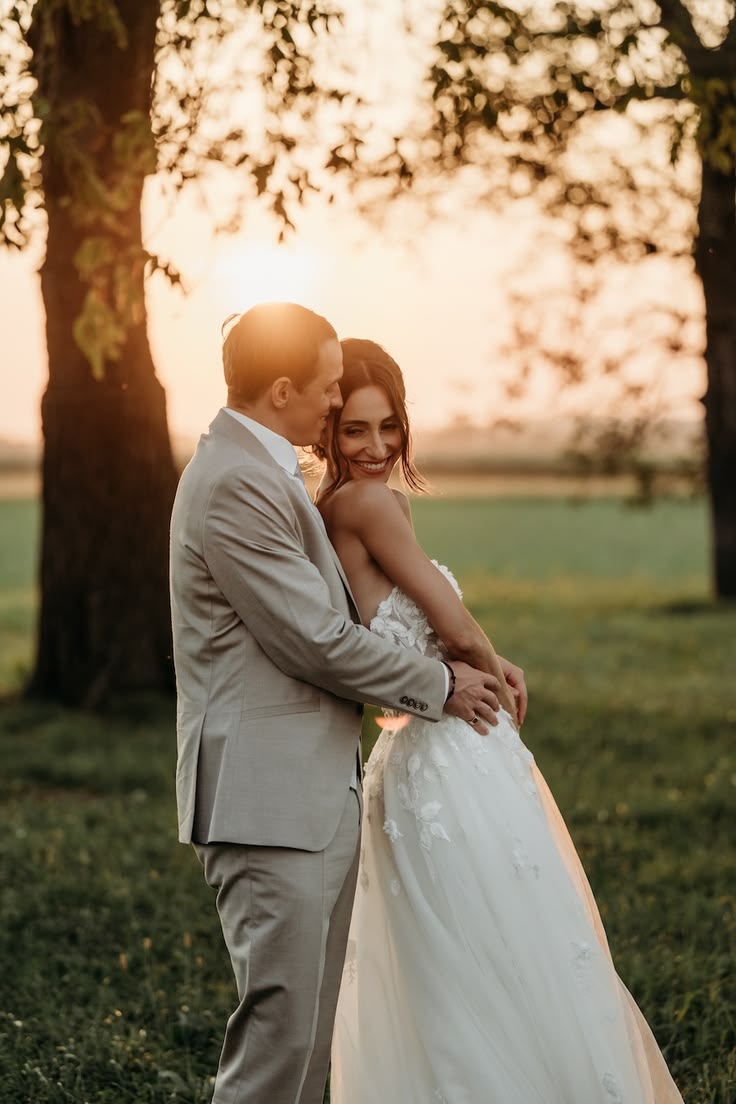
Where you take your golden hour photos matters just as much as how you pose. The same light can look completely different depending on how open or blocked your surroundings are, so choosing the right location can make a noticeable difference in your final images.
Best locations
These spaces work best because they allow the light to spread freely and naturally during sunset:
- Open fields — wide, unobstructed spaces that let golden light wrap around the couple
- Beaches — reflective surfaces from sand and water enhance the warmth of sunset tones
- Gardens — soft greenery adds depth and a natural romantic frame without feeling heavy
- Rooftops with a clear skyline — ideal for clean sunset views and uninterrupted horizon lines
Avoid
Some locations reduce the quality of golden hour light because they block or break its natural flow:
- Areas surrounded by tall buildings
- Spaces with dense trees or heavy canopy cover that prevent sunlight from reaching the subject
When the light is blocked, the softness and glow that make golden hour special are reduced, which can flatten the overall look of the photo.
Lighting Tips for Golden Hour Photos
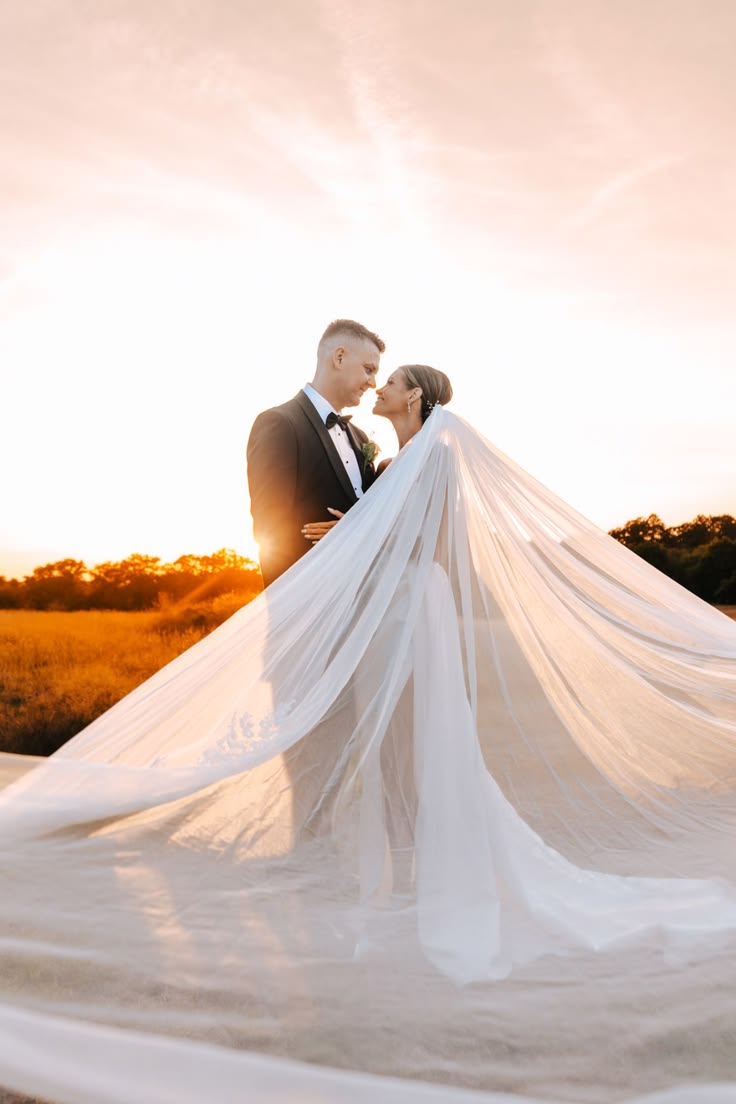
Good lighting during golden hour is one of the reasons these photos look naturally beautiful, but knowing how to position yourself still makes a big difference in the final result.
These simple adjustments help you get the most out of your summer wedding photo ideas and golden hour lighting without needing complicated setups.
1. Don’t Face Directly into Harsh Sun → use side or backlight
Instead of looking straight into the sun, position yourself so the light comes from the side or behind you. This reduces squinting and harsh shadows while creating a softer, more flattering glow.
2. Let Light Fall Behind or Beside You
When the light sits behind or slightly to the side, it naturally outlines the couple and adds warmth around the edges. This is what creates that soft golden halo effect often seen in sunset wedding photos.
3. Keep Movement Natural (walking, turning, laughing)
Golden hour works best when there is movement. Simple actions like walking, turning toward each other, or laughing help the light interact naturally with your body, making the photos feel more alive and less posed.
4. Trust your Photographer’s Direction
Your photographer understands how the light is shifting every minute during golden hour. Following their guidance ensures you stay in the best position as the light changes quickly.
We all know Golden hour is naturally beautiful, but the way you position yourself still determines how strong and balanced the final image will look.
Quick Checklist for Perfect Golden Hour Photos
When you are planning your summer wedding photo ideas, golden hour can easily be missed if the timeline is not intentional. This quick checklist helps you stay prepared so you can fully take advantage of that short, beautiful lighting window.
✔ Confirm sunset time for your exact wedding date and location
✔ Block 10–20 minutes in your timeline specifically for golden hour portraits
✔ Choose an open location where sunlight is not blocked by buildings or trees
✔ Coordinate timing with your photographer so they can guide the shoot properly
✔ Keep poses natural and simple to make the most of the short light window
Golden hour is brief, so preparation matters more than anything else.
Conclusion
Golden hour is not something you get right by luck, it works when it is planned with intention. The difference between average and truly beautiful wedding photos often comes down to timing, not complexity or expensive setups.
The real magic happens when light, timing, and emotion come together naturally. When these three align, even simple moments can look cinematic and deeply meaningful.
Instead of focusing on overly staged poses or complicated setups, it is better to prioritize simple, intentional moments that feel real and comfortable. Those are the images that tend to stay timeless long after the wedding day.
If you want consistently beautiful results, work closely with your photographer to plan your timeline around golden hour early — not on the day itself.